Introduction
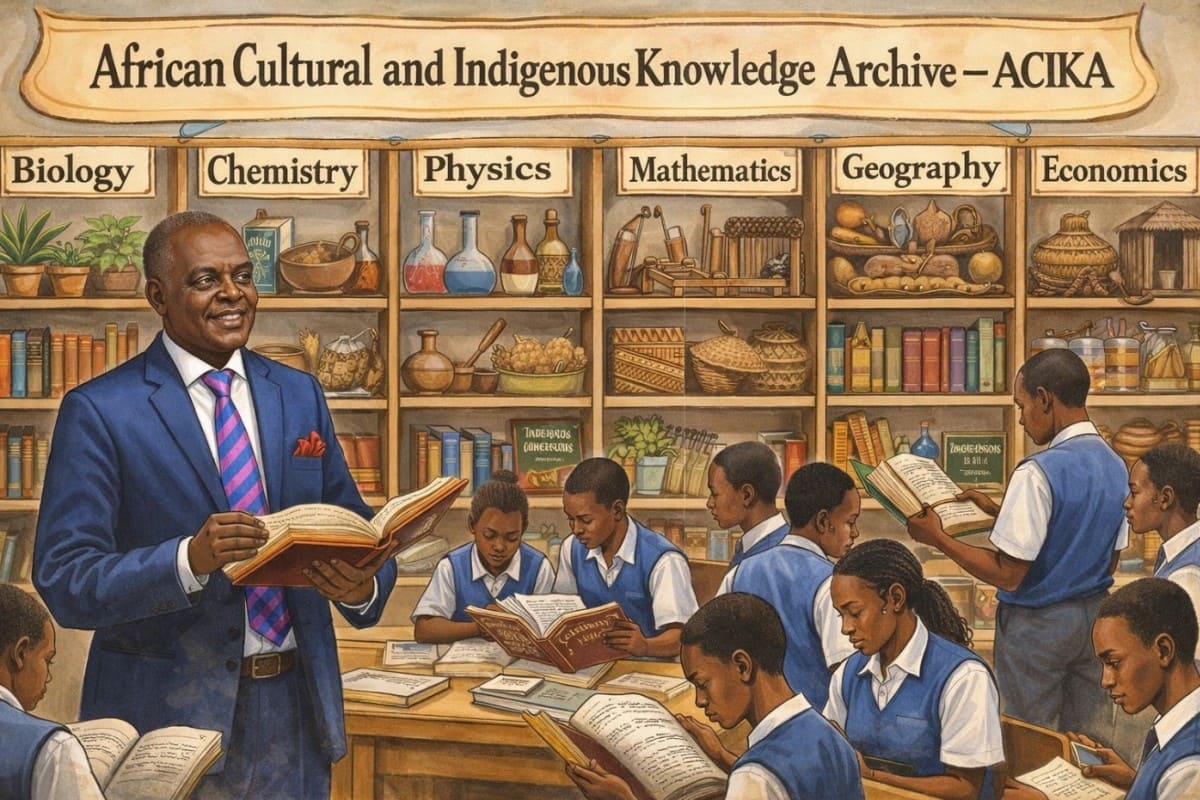
Teaching and learning in African classrooms have for a long time been shaped largely by knowledge systems, examples, and references that come from outside Africa. Textbooks filled with examples of the Thames River, the seasons of Europe, and the industrial history of Western nations have been placed in the hands of learners who live along the Niger, experience only the dry season and the rainy season, and whose grandparents were skilled farmers, hunters, healers, and craftsmen. This gap between what is taught and what learners know from their own lives has weakened the connection between the school and the home, between the classroom and the community.
